
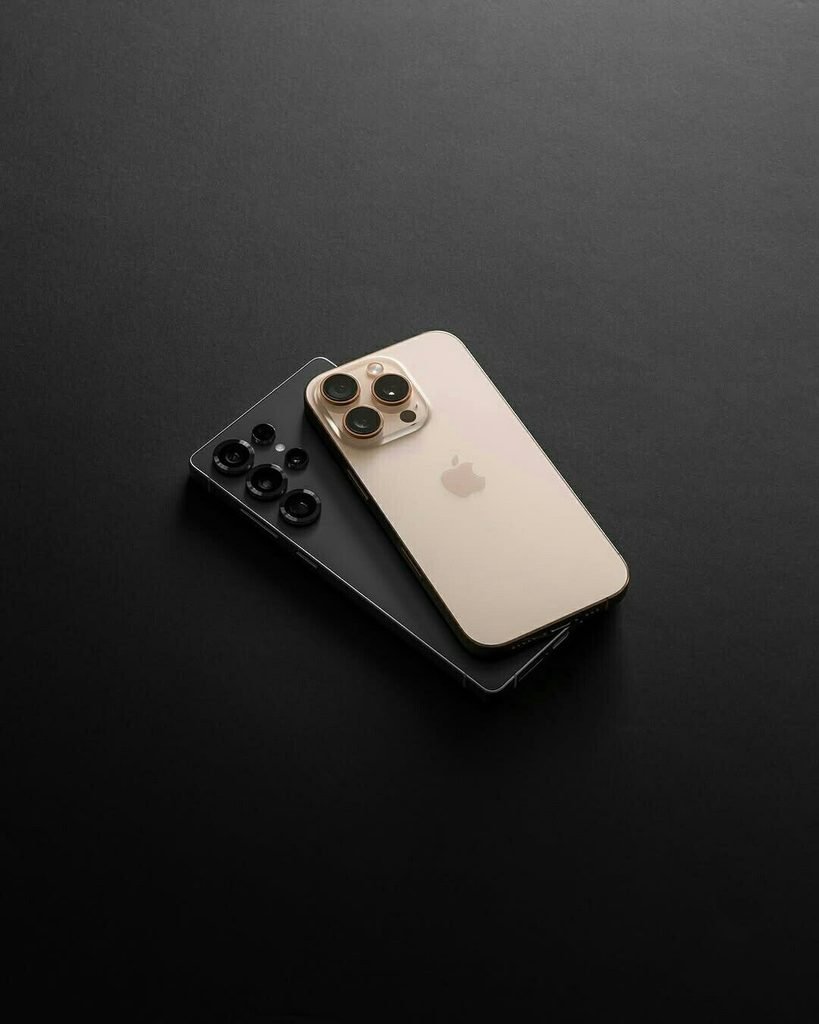
Understanding the Operating Systems
The choice between Android and iPhone involves considering key differences in their respective operating systems. Each platform offers a distinct user interface, customization capabilities, and overall user experience that cater to varying preferences and requirements.
Starting with the user interface, iPhone, which operates on Apple’s iOS, is known for its intuitive design and simplicity. It emphasizes a seamless experience, where users can navigate through apps and settings with ease. In contrast, Android, used by a variety of manufacturers such as Samsung, Google, and OnePlus, offers a more flexible interface. Users can personalize their home screens, with widgets and app placements that reflect their individual styles. This level of customization makes Android appealing to those who prefer a hands-on approach to their device’s appearance and functionality.
When discussing software updates, iPhone generally provides more consistent and timely updates directly from Apple. Once a new version of iOS is launched, iPhone users typically receive the update simultaneously, ensuring that even older models can benefit from new features and security patches. Android, on the other hand, might experience delays in software updates due to the fragmentation of its ecosystem, where different manufacturers have the liberty to modify the operating system. As a result, users of certain Android devices may wait longer to receive the latest updates, which can impact security and user experience.
The ecosystem surrounding each operating system further influences user choice. Apple creates a tightly integrated ecosystem—devices like MacBooks, iPads, and the Apple Watch work harmoniously together, offering features like Handoff and AirDrop that enhance productivity and connectivity. Android offers a diverse ecosystem as well, with a wider variety of third-party apps and devices, allowing for more flexibility, but may not always provide the same level of integration as iOS.
Hardware and Design Differences
The comparison between Android phones and iPhones frequently hinges on their hardware and design, two critical aspects that greatly influence user experience. Starting with design aesthetics, iPhones are renowned for their streamlined and premium feel, often utilizing high-quality materials such as aluminum and glass. This attention to detail creates an iconic look that many users appreciate. In contrast, Android phones offer a broader range of designs, which can vary significantly depending on the manufacturer. Some models prioritize sleekness and aesthetics, while others may emphasize rugged durability, catering to a diverse audience.
Another essential factor in this comparison is build quality. iPhones generally benefit from Apple’s stringent manufacturing processes, resulting in devices that are not only visually appealing but also remarkably durable. Many Android manufacturers, however, produce devices at different price points, leading to a variance in build quality. While flagship Android models may rival iPhones in robustness, lower-end models might not provide the same level of durability.
Display technology is another arena where Android and iPhone devices have their distinctions. Most modern Android smartphones boast OLED screens, offering vibrant colors and deep blacks for stunning visual experiences. Conversely, iPhones have traditionally utilized LCD technology, evolving to incorporate their own OLED screens in recent models. This transition brings iPhones closer to the visual quality found on premium Android devices, enhancing overall user satisfaction.
Battery life is also a pivotal component in hardware comparison. Android devices often feature larger batteries, translating to longer usage times in some cases. However, Apple optimizes battery performance through software efficiency and integration, leading to reliable usage that can compete effectively with many Android counterparts. Understanding these hardware and design differences will aid potential smartphone buyers in making informed decisions that align with their preferences and lifestyle needs.
App Ecosystem and Availability
The choice between Android and iPhone encompasses several factors, one of the most pivotal being the app ecosystem. Both platforms have their unique charms, yet they diverge significantly in terms of app availability and quality. The Google Play Store and Apple App Store host millions of applications, from productivity and entertainment to gaming and social networking. However, the nature of these applications often varies in quality and exclusivity.
Android’s open-source nature allows developers to create applications more freely, leading to a vast array of choices. This can be a double-edged sword, as the influx of apps results in some low-quality offerings alongside innovative tools. Conversely, the Apple App Store, with its stringent review policies, tends to curate a more refined selection of applications, ensuring that users experience high-quality, secure software. The result is a platform where premium apps often debut on iOS, sometimes leaving Android users waiting for similar functionalities.
When it comes to gaming, both platforms boast robust offerings. However, many developers prioritize iOS for game releases due to higher revenue potential. This has led to a perception that iPhones are more gaming-centric, although Android continues to evolve with numerous high-quality games that cater to diverse audiences. For productivity apps, both systems offer strong solutions, but iOS-based applications often integrate more seamlessly with the overall Apple ecosystem, enhancing user productivity.
Additionally, updates play a critical role in app ecosystem dynamics. iPhone users typically receive timely updates because Apple controls both the hardware and software. In contrast, Android updates can vary widely depending on the manufacturer and device type, sometimes leading to fragmented experiences among users. Security is another critical consideration; Apple’s approach to app approvals often results in fewer vulnerabilities, although Android has made significant strides in this area.
In conclusion, the app ecosystem is a critical aspect when choosing between Android and iPhone. Understanding the quality, availability, and exclusivity of applications, alongside their impacts on productivity and gaming, will help users make informed decisions regarding their next smartphone.
Budget Considerations and Long-Term Value
When deciding between an Android and an iPhone, budget considerations play a pivotal role. The initial investment is often the first factor that consumers assess. Android devices are available in a wide range of price points, from budget-friendly models under $200 to premium smartphones exceeding $1,000. This extensive range allows consumers to find a device that fits their financial situation while still meeting their overall needs.
In contrast, iPhones typically command higher starting prices, with the latest flagship models often exceeding $800. However, Apple’s pricing strategy also includes various options, such as previously released models that can offer significant savings for those looking to enter the Apple ecosystem without spending on the newest iteration. Thus, while the upfront costs may be less flexible with iPhones, they provide alternative avenues for budget-conscious buyers.
Another key aspect to consider is long-term value, which encompasses factors such as device longevity, resale value, and total cost of ownership. iPhones generally hold their value better over time compared to many Android devices. This is partly attributed to the brand’s reputation for quality and durability. In many cases, an iPhone can be resold at a higher price relative to its original purchase price than an equally priced Android phone, making it a more economically sound investment in the long run.
Moreover, when projects such as software updates and support longevity are taken into account, iPhones usually receive updates for a longer timeframe, enhancing the longevity of the device and providing added value. On the other hand, while many Android devices receive regular updates, the commitment varies by brand and model, potentially impacting the overall user experience and longevity of the device.
In conclusion, both Android and iPhone offer a variety of budget considerations and long-term value implications. Ultimately, an informed decision should weigh initial costs against potential long-term returns, factoring in personal preferences and usage patterns to determine the best choice for an individual’s smartphone needs.